📑 CONTENTS

👥 Leadership & Editorial
PRESIDENT'S NOTE
Dr Sowmya B Ramesh
President, AFPI Karnataka
We complete two wonderful years of our tenure as the Organizing Committee. As we complete these meaning two years, i Dr. Sowmya B. Ramesh, wish to express my heartfelt gratitude to every executive member of our Karnataka team. Your unwavering support, commitment, and collective spirit have been the foundation of everything we have achieved together.
Without your dedication, it would not have been possible to successfully host both an International Conference and a State Conference. Karnataka has also set a benchmark by consistently organizing high-quality webinars and CMEs on schedule, reflecting our shared commitment to academic excellence and professional growth.
These accomplishments are the result of the tireless efforts of every Executive Committee member and the invaluable contributions of our entire team. I would like to especially acknowledge the vision and guidance of Dr. Hema, the boundless energy and enthusiasm of Dr. Amina Shah, and the unwavering commitment of Dr. Madhumitha. Their leadership has been truly inspiring.
I would also like to appreciate the enthusiastic participation and significant contributions of Dr. Amrita and Dr. Akshaya, particularly in strengthening the Spice Route initiative.
To each and every one of you, thank you for your trust, teamwork, and dedication. Every milestone we have achieved belongs to all of us. I look forward to continuing this journey together with the same passion, purpose, and spirit of collaboration as we strive for even greater heights in the years ahead.
Sowmya B Ramesh
President, Academy of Family Physicians of India - Karnataka Chapter.

Dr Hemavathi, Secretary AFPI Karnataka
Dear Members and Colleagues,
It gives me immense pleasure to connect with all of you through this newsletter and to reflect on the growing journey of Family Medicine in India.
AFPI is built by its members, and its future depends on the active participation of its members.
I would therefore like to encourage our members to come forward and take up Executive Committee (EC) responsibilities. The EC provides an opportunity not only to contribute to the functioning of the Association but also to actively participate in shaping the future of Family Medicine in India. Whether your interest lies in education and curriculum development, research, advocacy, academic activities, professional development, or strengthening Family Medicine at the grassroots level, there is much that we can accomplish together.
I warmly invite members who are willing to contribute their time, ideas, expertise and leadership to consider taking up an EC role. We need the participation of senior as well as young Family Physicians, from different regions and diverse practice and academic backgrounds, to make AFPI stronger and more representative.
I also invite all our members to participate actively in the upcoming General Body Meeting (GBM) on 30 August 2026. The GBM is an important platform for members to come together, review the progress of the Association, discuss priorities and contribute to decisions that will shape the future direction of AFPI. I strongly encourage all members, particularly those interested in taking up leadership responsibilities, to attend and actively participate.
Let us use this opportunity to renew our commitment to strengthening Family Medicine, supporting Family Physicians and improving primary care in India.
The future of Family Medicine is not something we simply witness---it is something we build together.
I look forward to your active participation, your ideas and, most importantly, your willingness to contribute to the growth of AFPI and Family Medicine in India.
With warm regards,
Dr. Hemavathi Dasappa,
Secretary,
Association of Family Physicians of India (AFPI).

EDITOR'S DESK
Dear Colleagues,
It is my pleasure to present another edition of our quarterly newsletter---a reflection of the collective efforts, achievements, and aspirations of our association over the past few months.
Medicine is a profession that thrives on continuous learning, collaboration, and shared experiences. This newsletter has been curated with that spirit in mind. Within these pages, you will find highlights of our academic activities, conferences, continuing medical education programs, notable achievements of our members, interesting clinical cases, updates on recent developments, and glimpses of the many initiatives undertaken by our association.
Beyond documenting events, this newsletter serves as a platform for knowledge exchange and professional connection. Every conference attended, every case discussed, and every contribution made by our members strengthens our shared commitment to improving patient care and advancing the practice of Family Medicine.
I extend my sincere gratitude to all the contributors, reviewers, photographers, and members who took the time to share their work and experiences. Your enthusiasm and participation are what make this publication meaningful.
I also encourage every member to actively contribute to future editions. Whether it is an interesting case, a research update, a community initiative, a conference report, or an opinion piece, your experiences enrich our collective learning and inspire fellow colleagues.
I hope you enjoy this edition, Happy reading!
Dr. Amina Kausar Shah,
Editor, Quarterly Newsletter,
Association of Family Physicians of India (AFPI), Karnataka Chapter.
🧠 Clinical Wisdom & Practice Pearls

PEARLS OF DR. BADAKERE RAO
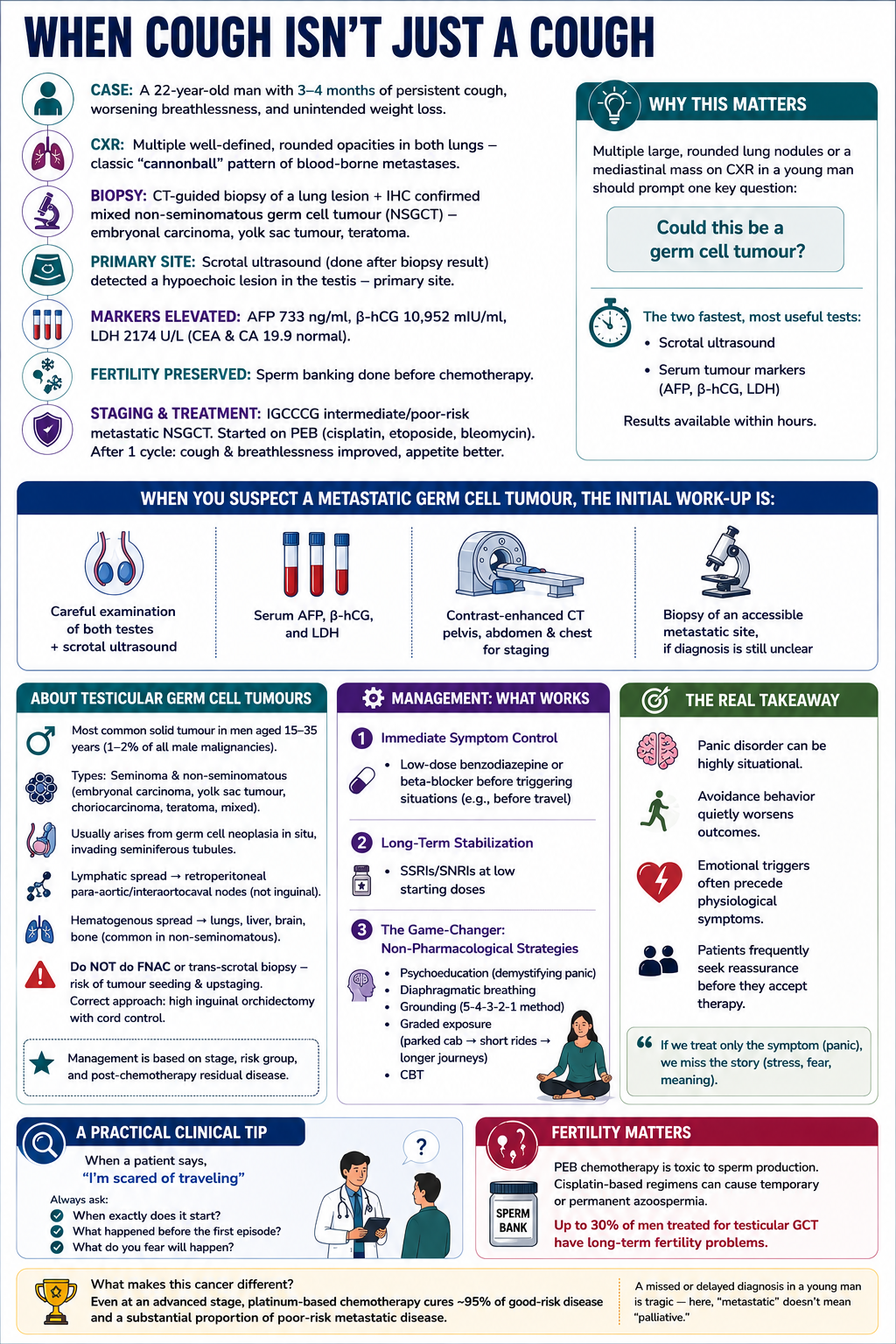
WHEN COUGH ISN'T JUST A COUGH
A 22-year-old man came in with a 3--4 month history of persistent cough, worsening breathlessness, and noticeable weight loss he hadn't intended. On examination there was no obvious lymph node swelling and nothing abnormal was felt in the scrotum. An ultrasound of the abdomen and pelvis was reported as normal.
His chest X-ray told a different story: multiple well-defined, rounded opacities scattered through both lungs --- the classic "cannonball" pattern of blood-borne metastases. Routine blood tests were unremarkable. A CT-guided biopsy of one of the lung lesions was taken, and histopathology with immunohistochemistry confirmed a mixed non-seminomatous germ cell tumour (NSGCT), with embryonal carcinoma, yolk sac tumour, and teratoma elements all present.
Only after this result came back was a targeted scrotal ultrasound arranged --- and it picked up a hypoechoic lesion in the testis, confirming where the tumour had started. Serum markers were sent (AFP, β-hCG, LDH) and were markedly elevated, in keeping with NSGCT. (AFP -- 733 ng/ml, CEA -- 1.29 ng/ml, B-HCG -- 10,952 mIU/ml, LDH -- 2174 u/l and CA 19.9 -- 19.3 u/ml.)
Before starting chemotherapy, sperm banking was arranged to protect the patient's future fertility. He was staged as IGCCCG (International Germ Cell Cancer Collaborative Group) intermediate/poor-risk metastatic NSGCT and started on PEB (cisplatin, etoposide, bleomycin). Care was taken for avoiding tumor lysis syndrome. After one cycle, his cough and breathlessness had already improved and his appetite was back.
Why this matters
Multiple large, rounded lung nodules or a mediastinal mass on a chest X-ray in a young man should raise one question first: could this be a germ cell tumour? The two tests that answer it fastest are a scrotal ultrasound and serum tumour markers (AFP, β-hCG, LDH), both of which can come back within hours.
When you suspect a metastatic germ cell tumour, the initial work-up is:
- Careful examination of both testes, plus scrotal ultrasound
- Serum AFP, β-hCG, and LDH
- Contrast-enhanced CT pelvis, abdomen and chest for staging
- Biopsy of an accessible metastatic site, if the diagnosis is still unclear
Testicular germ cell tumours are malignant neoplasms arising from germ cells and are the commonest solid testicular cancers in young men, account for 1--2% of all male malignancies but are the most common solid tumour in men aged 15--35 years. They are broadly divided into seminoma and non-seminomatous germ cell tumours such as embryonal carcinoma, yolk sac tumour, choriocarcinoma, teratoma, and mixed tumours. Most adult tumours arise from germ cell neoplasia in situ, with invasion through seminiferous tubules into the testicular stroma. They usually present as a painless testicular mass, and evaluation is by ultrasound and serum markers such as AFP, β-hCG, and LDH; AFP is not raised in pure seminoma. Presence of elevated AFP levels suggest diagnosis of non seminomatous germ cell tumor even if biopsy had suggested seminoma.
Local spread involves the tunica albuginea, epididymis, spermatic cord, and scrotal wall, while lymphatic spread first goes to retroperitoneal para-aortic/interaortocaval nodes rather than inguinal nodes. Hematogenous spread may involve the lungs, liver, brain, and bone, especially in non-seminomatous tumours. Extragonadal germ cell tumours are rare germ-cell malignancies arising outside the testes, classically in midline sites such as the mediastinum, retroperitoneum, pineal, or sacrococcygeal region, and should prompt evaluation to exclude an occult testicular primary. FNAC or trans-scrotal biopsy of a testicular lesion must not be done, as it breaches scrotal planes, risks tumour seeding, alters lymphatic drainage, and may upstage the disease; the correct diagnostic and therapeutic approach is high inguinal orchidectomy with cord control. Further management is based on stage, risk group, and post-chemotherapy residual disease.
Tumor markers are invaluable not only for diagnosis but also for staging, risk stratification, monitoring response to treatment, and long-term follow-up.
What makes this cancer different from almost any other metastatic solid tumour is the outlook: even at an advanced stage, platinum-based chemotherapy cures roughly 95% of good-risk disease and a substantial proportion of poor-risk metastatic disease too. A missed or delayed diagnosis in a young man is therefore tragic --- this is one of the few cancers where "metastatic" doesn't mean "palliative." As they are extremely chemo sensitive, patient may go into tumor lysis syndrome after starting chemotherapy, so precautions should be taken with adequate hydration, urine alkalinisation and monitoring electrolytes.
PEB chemotherapy, while curative, is toxic to sperm production. Cisplatin-based regimens carry a real risk of temporary or permanent azoospermia, and up to 30% of men treated for testicular GCT go on to have long-term fertility problems.
Sperm banking needs to be discussed and arranged before the first cycle of chemotherapy. A one-day delay in starting chemotherapy to allow for sperm banking is both clinically safe and ethically right, unless the patient is acutely unwell or in respiratory distress.
Learning points:
| Step | Action |
|---|---|
| 1. Suspect | Cannonball CXR / mediastinal mass + young male = GCT until proven otherwise. |
| 2. Investigate | Scrotal USG + CT chest/abdomen/pelvis + blood AFP + Beta-hCG + LDH |
| 3. Preserve Fertility | Arrange sperm banking BEFORE any chemotherapy or surgery. This is time-sensitive. |
| 4. Refer | Referral to Medical Oncology. Do not delay for tissue biopsy if markers are classic. |
| 5. Reassure | Inform the patient this is potentially curable even at metastatic stage. Prognosis is not hopeless. |
| 6. Follow Up | Post-chemotherapy, surgical resection of residual masses (RPLND / lung resection) may be required. Regular follow up to detect a recurrence. |
Dr. B.C.Rao,
Patron and Advisor AFPI, Family physician.
📚 Academic & Clinical Corner
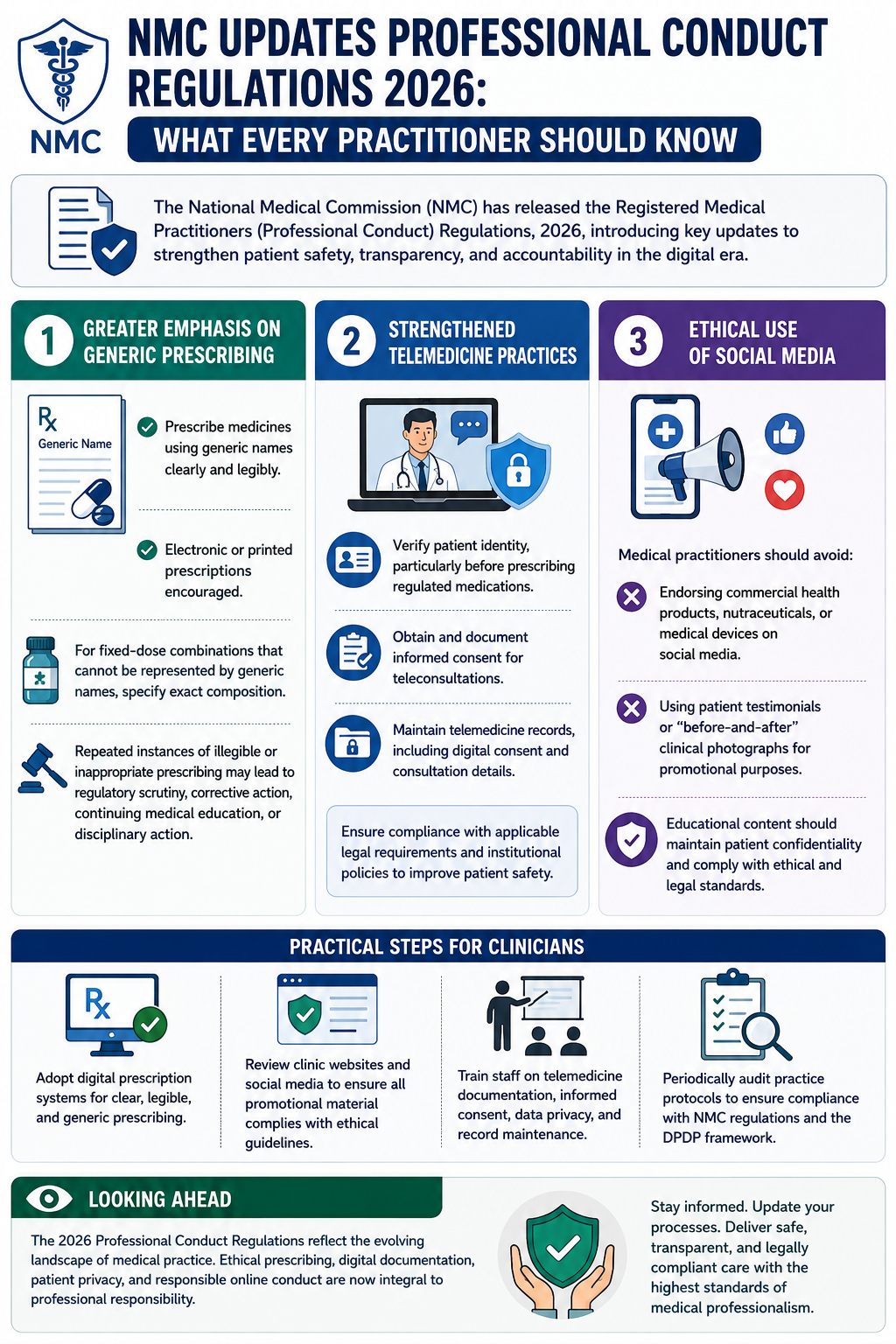
NMC Updates Professional Conduct Regulations 2026: What Every Practitioner Should Know
The National Medical Commission (NMC) has released the Registered Medical Practitioners (Professional Conduct) Regulations, 2026, introducing important updates that reflect the growing role of digital healthcare, ethical prescribing, telemedicine, and responsible professional conduct in the digital era. These changes are intended to strengthen patient safety, transparency, and accountability in medical practice.
1. Greater Emphasis on Generic Prescribing
The regulations reiterate that Registered Medical Practitioners should prescribe medicines using generic names in a clear and legible manner, with electronic or printed prescriptions being encouraged wherever feasible.
Where fixed-dose combinations cannot be adequately represented by generic names alone, the prescription should clearly specify the exact composition. Repeated instances of illegible or inappropriate prescribing may invite regulatory scrutiny and corrective measures, including continuing medical education or disciplinary action.
2. Strengthened Telemedicine Practices
With teleconsultations becoming an integral part of healthcare delivery, the regulations emphasize robust documentation and patient verification.
Key recommendations include:
- Verifying patient identity, particularly before prescribing regulated medications.
- Obtaining and documenting informed consent for teleconsultations.
- Maintaining telemedicine records, including digital consent and consultation details, in accordance with applicable legal requirements and institutional policies.
These measures are intended to improve patient safety while ensuring compliance with evolving digital healthcare standards.
3. Ethical Use of Social Media
The updated regulations provide greater clarity on professional conduct in the digital space.
Medical practitioners should avoid:
- Endorsing commercial health products, nutraceuticals, or medical devices on social media.
- Using patient testimonials or "before-and-after" clinical photographs for promotional purposes.
Educational content shared for academic discussion should always maintain patient confidentiality and comply with ethical and legal standards.
Practical Steps for Clinicians
To align with the updated regulations, healthcare professionals should consider the following:
- Adopt digital prescription systems that facilitate clear, legible, and generic prescribing.
- Review clinic websites and social media platforms to ensure all promotional material complies with current ethical guidelines.
- Train clinical and administrative staff on telemedicine documentation, informed consent, data privacy, and record maintenance.
- Periodically audit practice protocols to ensure continued compliance with NMC regulations and the Digital Personal Data Protection (DPDP) framework.
When Travel Triggers Panic: A Case That Teaches Us to Look Deeper
Dr.Bidari Sunita Ebenezer, Mbbs, DNB Family Medicine.
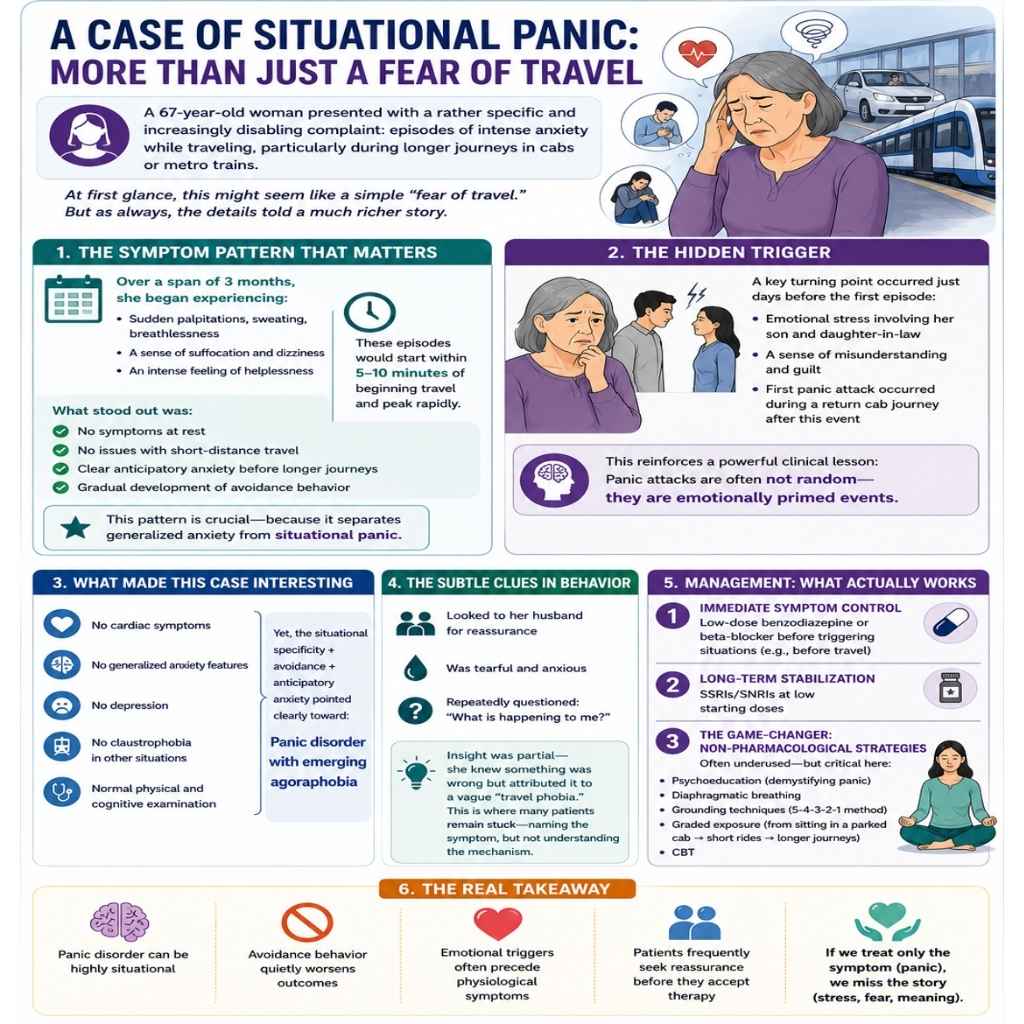
A 67-year-old woman presented with a rather specific and increasingly disabling complaint: episodes of intense anxiety while traveling, particularly during longer journeys in cabs or metro trains.
At first glance, this might seem like a simple "fear of travel." But as always, the details told a much richer story.
The Symptom Pattern That Matters
Over a span of 3 months, she began experiencing:
- Sudden palpitations, sweating, breathlessness
- A sense of suffocation and dizziness
- An intense feeling of helplessness
These episodes would start within 5--10 minutes of beginning travel and peak rapidly.
What stood out was:
- No symptoms at rest
- No issues with short-distance travel
- Clear anticipatory anxiety before longer journeys
- Gradual development of avoidance behaviour
This pattern is crucial---because it separates generalized anxiety from situational panic.
The Hidden Trigger
A key turning point occurred just days before the first episode:
- Emotional stress involving her son and daughter-in-law
- A sense of misunderstanding and guilt
- First panic attack occurred during a return cab journey after this event
This reinforces a powerful clinical lesson:
Panic attacks are often not random---they are emotionally primed events.
What Made This Case Interesting
Several things could have easily misled the diagnosis:
- No cardiac symptoms
- No generalized anxiety features
- No depression
- No claustrophobia in other situations
- Normal physical and cognitive examination
Yet, the situational specificity + avoidance + anticipatory anxiety pointed clearly toward:
Panic disorder with emerging agoraphobia
The Subtle Clues in Behavior
During interaction, she:
- Looked to her husband for reassurance
- Was tearful and anxious
- Repeatedly questioned: "What is happening to me?"
Insight was partial---she knew something was wrong but attributed it to a vague "travel phobia."
This is where many patients remain stuck---naming the symptom, but not understanding the mechanism.
Management: What Actually Works
This case highlights a balanced, layered approach:
1. Immediate Symptom Control
Low-dose benzodiazepine or beta-blocker before triggering situations (e.g., before travel)
2. Long-Term Stabilization
SSRIs/SNRIs at low starting doses
3. The Game-Changer: Non-Pharmacological Strategies
Often underused---but critical here:
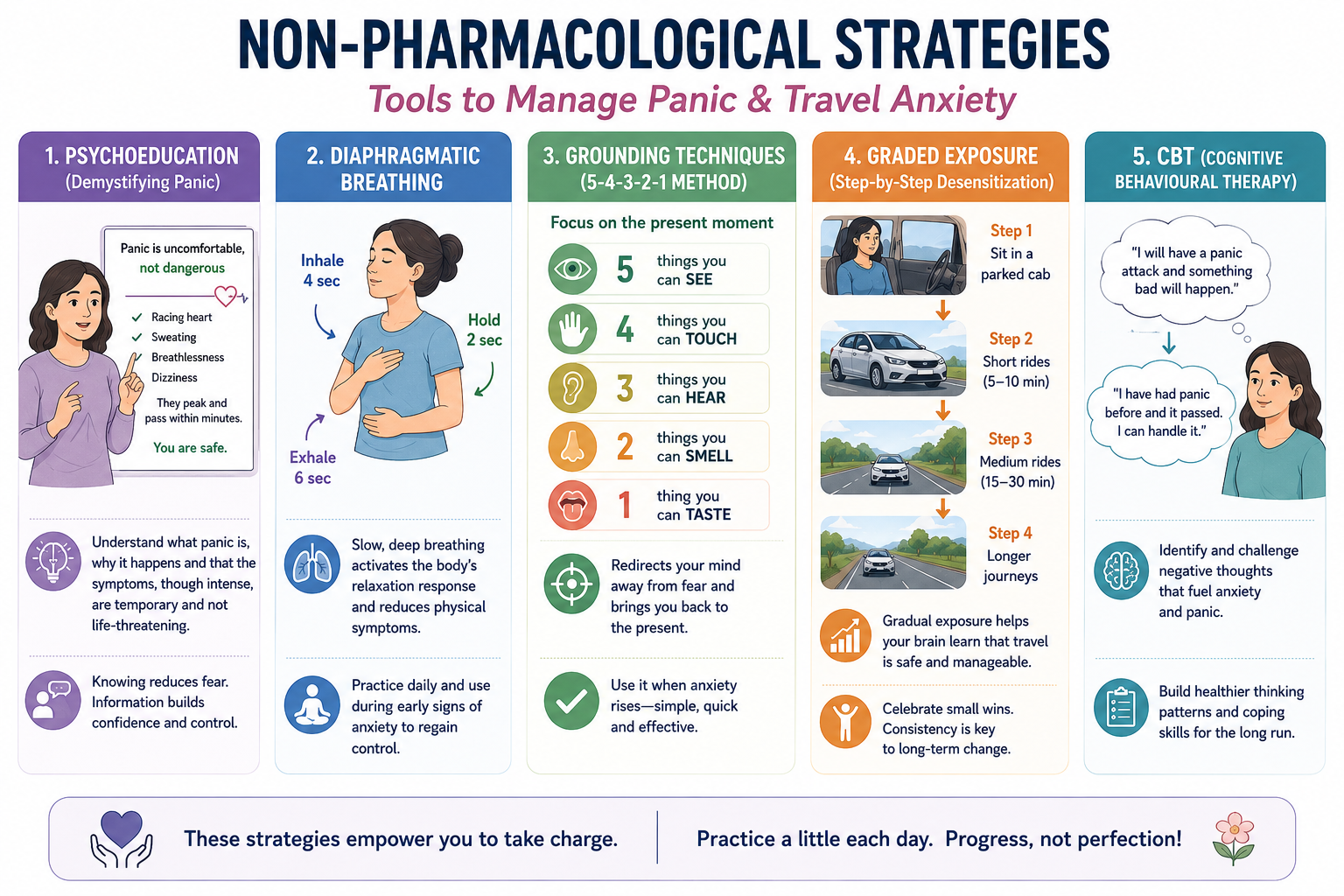
- Psychoeducation (demystifying panic)
- Diaphragmatic breathing
- Grounding techniques (5-4-3-2-1 method)
- Graded exposure (from sitting in a parked cab → short rides → longer journeys)
- CBT
This case reminds us:
- Panic disorder can be highly situational
- Avoidance behavior quietly worsens outcomes
- Emotional triggers often precede physiological symptoms
- Patients frequently seek reassurance before they accept therapy
And most importantly: If we treat only the symptom (panic), we miss the story (stress, fear, meaning).
A Practical Clinical Tip
When a patient says: "I'm scared of traveling"
Always ask:
- When exactly does it start?
- What happened before the first episode?
- What do you fear will happen?
That's where the diagnosis lives.
Dr.Bidari Sunita Ebenezer, MBBS, DNB Family medicine.
CARE BEYOND CURE

Dr.Madhavi Thuyamani
Palliative care physician --Aster Hospital Whitefield
There are moments in medicine when curing is no longer possible --- and those moments can feel frightening for families. Questions arise. What do we do next? Are we giving up? Is there still hope?
This is where palliative care steps in.
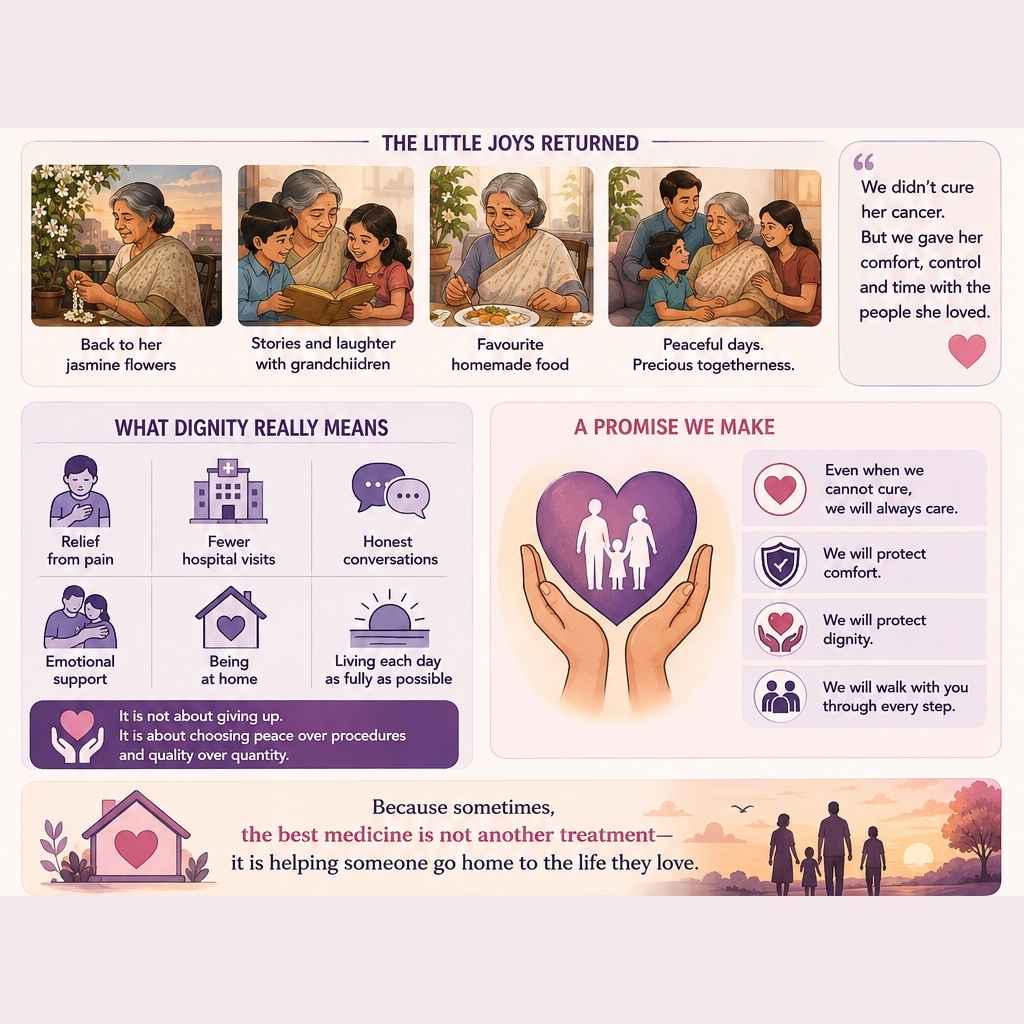
Not to stop treatment, but to focus on comfort, dignity, and quality of life. Because even when we cannot add more years, we can still add peace, meaning, and togetherness to the days that remain.
This is the story of one such patient --- and how choosing comfort helped her truly live again.
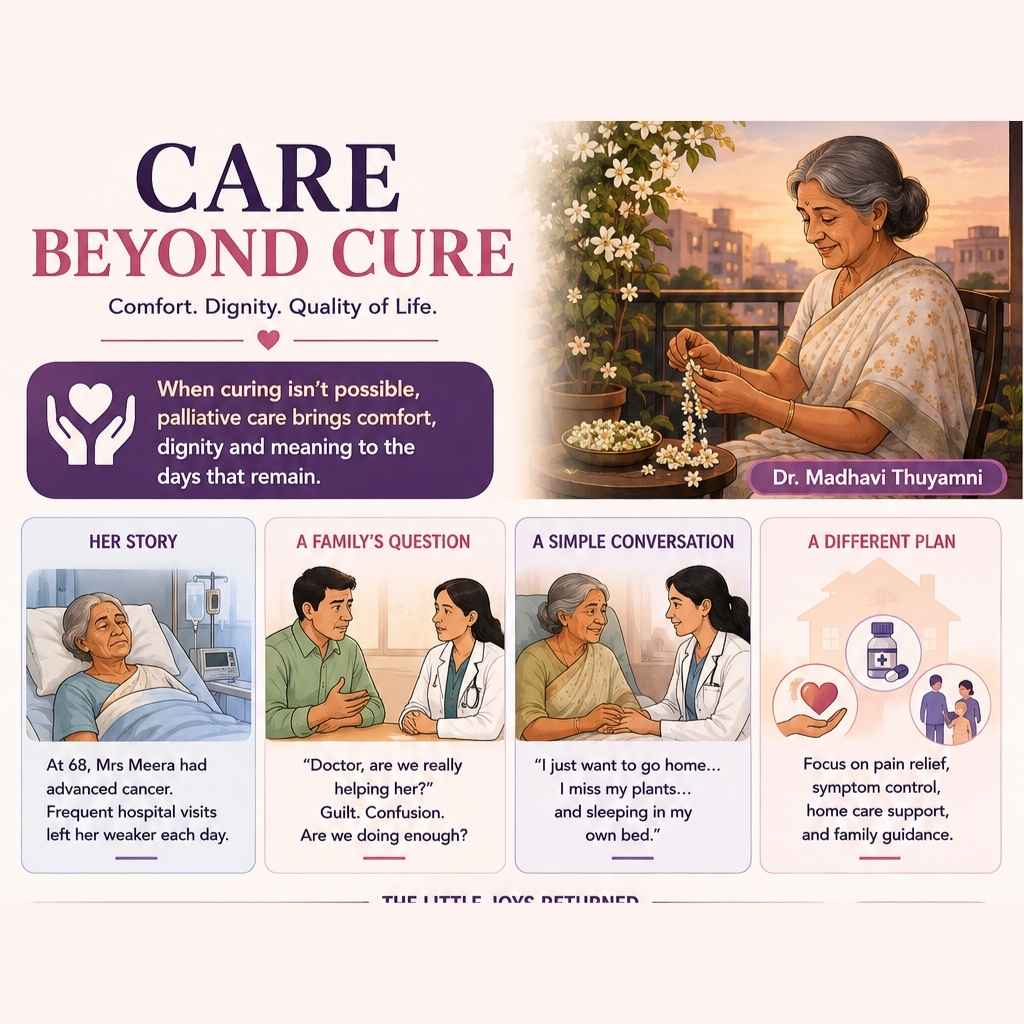
Mrs. Meera loved her jasmine flowers.
Every evening, she would sit on her small balcony, stringing fresh jasmine into a garland while chatting with her grandchildren. It was her favorite time of day.
When I first met her, she was in a hospital bed.
At 68, she had advanced cancer. Over the past few months, she had gone through multiple admissions, scans, drips, and procedures. Each visit left her weaker. The hospital had slowly replaced her home.
One day her son dropped by our OPD and asked
Doctor, we keep bringing her back to the hospital, but she only seems more tired each time. Are we really helping her?" Behind his question was guilt. If they stopped aggressive treatment, would it mean they weren't trying hard enough?
Many families feel this way.
But sometimes, when cancer has reached an advanced stage, more hospital care doesn't make a person stronger. It only makes them more exhausted.
That's when we spoke about a different kind of care.
Not stopping care. Just changing the goal.
A simple conversation
I sat beside Mrs Meera and asked her gently,
"What would you like most right now?"
She didn't talk about more chemotherapy or tests.
She said,
"I just want to go home... I miss my plants... and sleeping in my own bed."
That was her definition of comfort. That was her dignity.
A different plan
Our palliative care team focused on controlling her pain, nausea, and weakness. We adjusted medications, taught the family how to care for her at home, and reassured them that we were always available.
Within a couple of days, she went home.
No monitors. No repeated needles. Just familiar walls and familiar faces.
The little joys returned
A week later, her daughter sent me a message.
"Doctor, Amma sat on the balcony today and made jasmine strings again. The whole house smells like flowers. She looks peaceful."
Over the next few weeks, she spent time telling stories to her grandchildren, eating her favorite homemade food, and laughing with her family.
Were we curing her cancer? No!!.But we had given her something equally important --- comfort, control, and time with the people she loved.
What dignity really means
Many people think Palliative care means "nothing more can be done."
In reality, it means everything important is done.
It means:
- relief from pain, fewer hospital visits
- honest conversations, emotional support
- being at home and living each day as fully as possible
It is not about giving up, It is about choosing peace over procedures and quality over quantity.
A promise we make
As a palliative care team, this is what we promise every family:
Even when we cannot cure, we will always care.
We will protect comfort. We will protect dignity. And we will walk with you through every step.
Because sometimes, the best medicine is not another treatment ---
it is helping someone go home to the life they love.
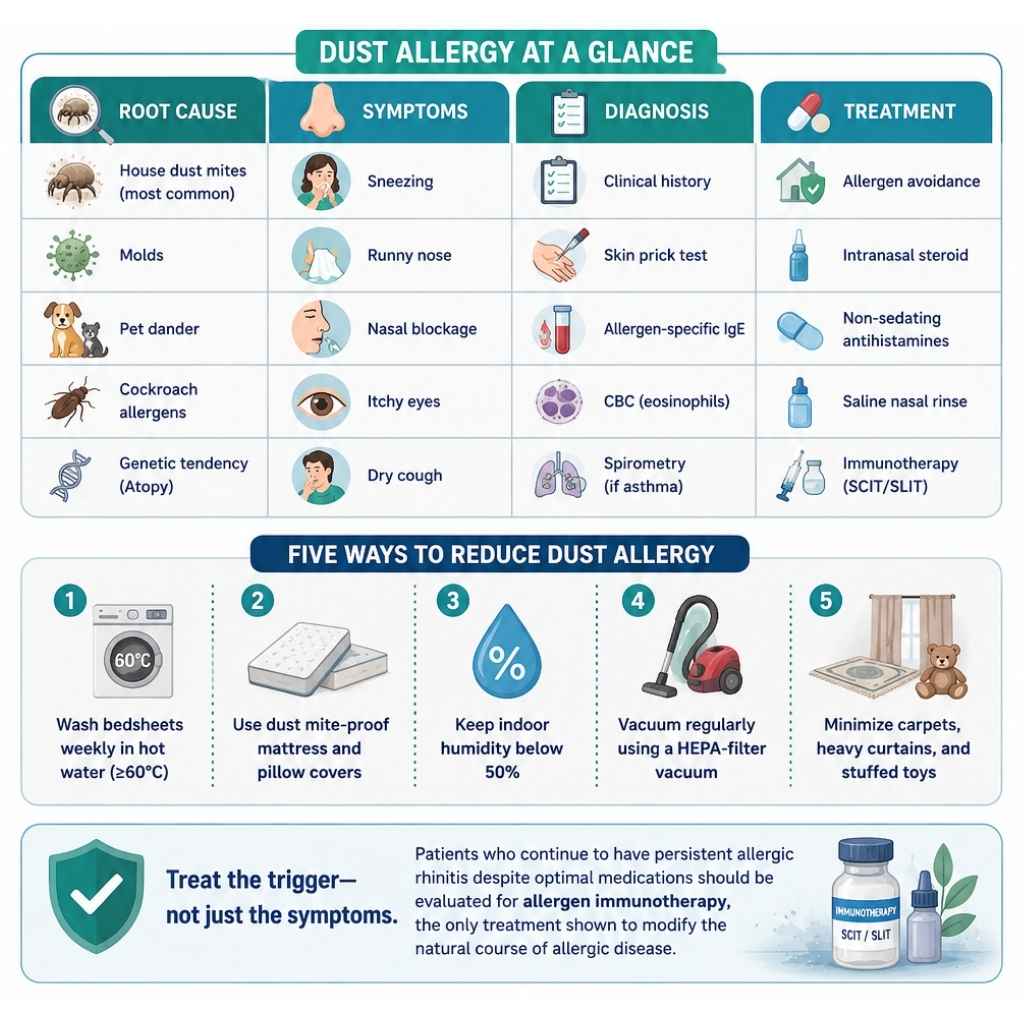
Dust Allergy: Looking Beyond the Dust

Dr. Amina Kausar Shah
Dust allergy is one of the most common allergic conditions seen in family practice, affecting both children and adults. Contrary to popular belief, the allergy is not caused by dust itself, but by proteins present in house dust mites, their droppings, molds, pet dander, and other microscopic allergens found in household dust. These allergens trigger an exaggerated IgE-mediated immune response in genetically susceptible individuals.
Patients typically present with recurrent sneezing, nasal blockage, runny nose, itchy eyes, chronic cough, or wheezing, especially on waking in the morning or while cleaning dusty environments. While medications provide symptomatic relief, long-term management requires identifying the trigger, reducing allergen exposure, and considering allergen immunotherapy in suitable patients.
🏠 DUST ALLERGY AT A GLANCE
| 🔍 Root Cause | 👃 Symptoms | 🧪 Diagnosis | 💊 Treatment |
|---|---|---|---|
| House dust mites (most common) | Sneezing | Clinical history | Allergen avoidance |
| Molds | Runny nose | Skin prick test | Intranasal steroid |
| Pet dander | Nasal blockage | Allergen-specific IgE | Non-sedating antihistamines |
| Cockroach allergens | Itchy eyes | CBC (eosinophils) | Saline nasal rinse |
| Genetic tendency (Atopy) | Dry cough | Spirometry (if asthma) | Immunotherapy (SCIT/SLIT) |
Five Ways to Reduce Dust Allergy
- ✅ Wash bedsheets weekly in hot water (≥60°C)
- ✅ Use dust mite-proof mattress and pillow covers
- ✅ Keep indoor humidity below 50%
- ✅ Vacuum regularly using a HEPA-filter vacuum
- ✅ Minimize carpets, heavy curtains, and stuffed toys
Treat the trigger---not just the symptoms. Patients who continue to have persistent allergic rhinitis despite optimal medications should be evaluated for allergen immunotherapy, the only treatment shown to modify the natural course of allergic disease.
The Silent Epidemic Walking into Our Clinics

Dr. Syed Mubarak
The Hidden Diagnosis in Primary Care: Workplace Mental Health
As family physicians, we readily diagnose hypertension, diabetes, asthma, and infections. Yet one of the fastest-growing health challenges of our time rarely presents as a mental health complaint. Instead, it walks into our clinics disguised as fatigue, insomnia, headaches, gastritis, unexplained body aches, poor concentration, recurrent sick leave, or poorly controlled chronic diseases.
The hidden diagnosis is emotional distress. As frontline clinicians, we are often the first healthcare professionals who can recognize these subtle presentations before they progress to burnout, anxiety, or depression.
Workplace Mental Health: The Numbers
| 🌍 Global Snapshot (WHO) | 🇮🇳 Indian Workplace Data |
|---|---|
| 15% of working-age adults live with a mental disorder | 100,000+ counselling sessions analysed |
| 12 billion working days lost annually | 35,000+ employees received counselling |
| US$1 trillion lost in productivity each year | Utilization increased from 3.7% (2024) to 4.6% (2025) |
What's Really Causing Employee Distress?
- 👤 Personal Issues 46%
- 💼 Workplace Concerns 15%
- ❤️ Marital Problems 12%
- 👥 Social Relationships 11%
- 📌 Others 16%
😟 Most Common Emotions Reported
🧠 Stress 😰 Anxiety 🤔 Confusion 💔 Hurt 😟 Insecurity
Leading to...
😴 Poor sleep • 🍽️ Reduced self-care • 💬 Communication difficulties • 🧩 Poor concentration • 📉 Reduced productivity
How It Walks Into Your OPD
Instead of saying "Doctor, I'm stressed," patients often present with:
| Common Complaint | Think Beyond the Symptom |
|---|---|
| Fatigue | Burnout / Anxiety |
| Insomnia | Workplace stress |
| Recurrent headaches | Emotional distress |
| Dyspepsia / IBS | Chronic stress |
| BP or diabetes uncontrolled | Emotional / mental health |
| Frequent sick leave | Psychological strain |
| Poor medication adherence | Mental health concerns |
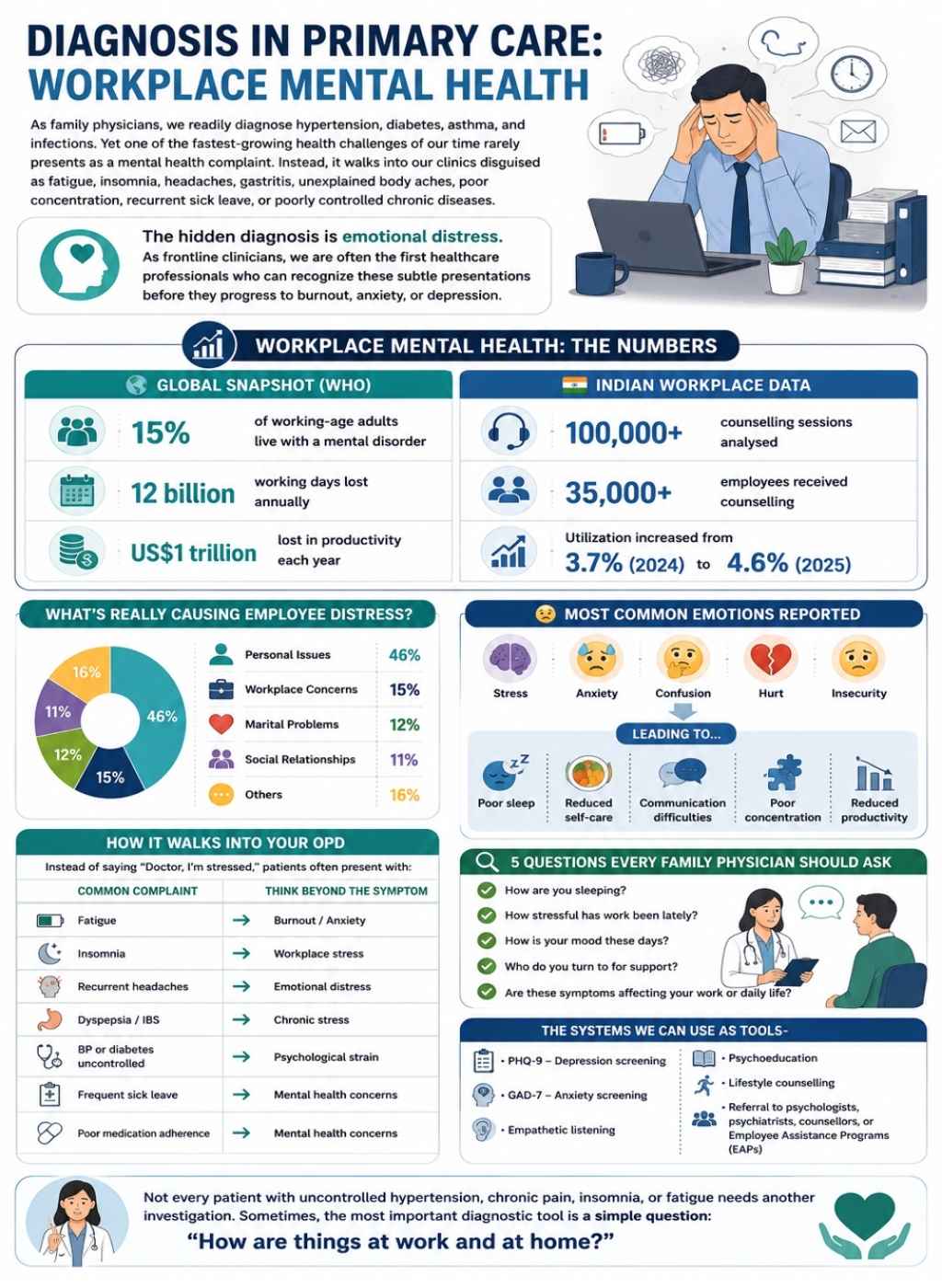
🔎 5 Questions Every Family Physician Should Ask
- ✅ How are you sleeping?
- ✅ How stressful has work been lately?
- ✅ How is your mood these days?
- ✅ Who do you turn to for support?
- ✅ Are these symptoms affecting your work or daily life?
The systems we can use as Tools-
- PHQ-9 -- Depression screening
- GAD-7 -- Anxiety screening
- Empathetic listening
- Psychoeducation
- Lifestyle counselling
- Referral to psychologists, psychiatrists, counsellors, or Employee Assistance Programs (EAPs)
Not every patient with uncontrolled hypertension, chronic pain, insomnia, or fatigue needs another investigation. Sometimes, the most important diagnostic tool is a simple question: "How are things at work and at home?"
Dr Syed Mubarak
MBBS, PGDFM, PBDGM
Head- Health & Wellbeing, Bosch Global Software- India
academic update
Lipoprotein(a): The Lipid Test We Should Order at Least Once
A 2026 update for the family physician
We routinely check total cholesterol, LDL-C, HDL-C and triglycerides. But one important inherited cardiovascular risk factor can remain hidden behind an apparently reassuring lipid profile: lipoprotein(a), or Lp(a).
Lp(a) is an LDL-like, ApoB-containing lipoprotein with an additional apo-lipoprotein(a) component. Its level is predominantly genetically determined and remains relatively stable throughout life. Elevated Lp(a) is associated with increased risk of atherosclerotic cardiovascular disease (ASCVD) and aortic valve stenosis.
THE 2026 CHANGE
The new 2026 ACC/AHA multi-society dyslipidemia guideline recommends measuring Lp(a) at least once in every adult.
Why once? Because Lp(a) is largely inherited and generally does not need repeated measurement.
When should we particularly think about Lp(a)?
- Premature coronary artery disease or stroke
- Strong family history of premature ASCVD
- Suspected familial hypercholesterolemia
- ASCVD despite apparently well-controlled LDL-C
- Cardiovascular risk that appears higher than expected
- A family member with markedly elevated Lp(a)
HOW DO WE READ THE RESULT?
| Lp(a) | What it means |
|---|---|
| <75 nmol/L | Lower-risk range |
| 75–124 nmol/L | Intermediate |
| ≥125 nmol/L | Risk-enhancing level |
| ≥250 nmol/L | Approximately 2× higher estimated ASCVD risk |
WHAT IF Lp(a) IS HIGH?
Don't chase the Lp(a) number.
At present, the practical approach is to recognise the patient as having higher lifetime cardiovascular risk and become more aggressive about the modifiable risks:
HIGH Lp(a)
↓
Assess overall ASCVD risk
↓
Lower LDL-C appropriately
↓
Control BP + diabetes
↓
Stop smoking
↓
Optimise weight, diet & physical activity
The 2026 guideline specifically supports more intensive management of other cardiovascular risk factors when Lp(a) is elevated.
Lp(a) vs ApoB vs LDL-C
| LDL-C | ApoB | Lp(a) |
|---|---|---|
| Cholesterol carried in LDL | Number of atherogenic particles | Inherited lipoprotein-related risk |
| Routine lipid assessment | Selective additional test | At least once in adulthood |
| Major treatment target | Helps identify particle burden | Risk enhancer |
THE TAKE-HOME MESSAGE
A normal LDL-C does not necessarily mean normal lifetime cardiovascular risk.
Lp(a) is largely inherited, relatively stable, and now recommended for measurement at least once in adulthood.
For the family physician:
Don't just ask, "What is the LDL?"
Ask, "What is this patient's lifelong atherogenic risk?"
Based on the 2026 ACC/AHA Multisociety Guideline for the Management of Dyslipidemia.
💬 Reflections in Practice

Dr.Priti Shankar, FFA Secretary, family physician
This was way back during the early 90s.
I was authorized medical officer for ISRO employees. Thoroughly satisfying phase of my practice since all patients used to come to me . Follow up was 100 %.
Also for referral they have to see me always, can't visit any specialist without my prescription!
The advantage was I had a very good follow up system which is lost sometimes in our regular practice. The downside was that monetary benefits don't match your service but I was okay with that.
An employee came to my clinic asking for a referral for his 14 year old son to an ENT doctor.
The boy was in school so I obliged.
Days later he came back again for an admission referral.
He said ENT doctor asked for admission since his symptoms worsened.
Drawback of being AMO is that you tend to oblige since they come to you for everything and they sometimes don't have anywhere else to go. He said his wife had taken him to the hospital and he came to take the referral letter.
Sometimes this used to be frustrating since I used to end up doing what the patient wants instead of what the patient needs.
This was rare though, so once done I used to ignore the thoughts and unpleasant feeling until it happens next.
Busy phase of life early 30s when you are busy with children and elders at home along with your profession!
After some thought I gave him the referral for admission to one of the authorized hospitals where the ENT was visiting.
A few weeks later the employee came back to me and said his son is not improving and is still suffering.
I asked about the admission and why he had not improved in spite of admission.
He said the boy was admitted for 3 days when ENT specialist and some other specialists also saw him including a psychiatrist.
Psychiatrist was on call doctor who visited before discharge and told the boy had no problem.
He was discharged with advice to take some anti allergy medications and steam inhalation which the boy refused and fought with the mother (Rang a bell in my head).
I told them to bring the boy to clinic since I had not seen him from the beginning.
The boy was brought to my clinic almost closing time for me and the delay was since the boy was not willing to come to any doctor .,(Later I was thankful for that ).
As per the parents the problem was he had non stop sneezing, all the time to the extent he was not eating well and not sleeping well as per the parents !
Second bell rang in my head since the boy did not look drained or weak for someone who has not been sleeping for days!!
I sent the parents out of the chamber and started talking to the boy!
I told him very calmly that I want to help and unless he talks to me I will not be able to do anything.
Till this minute boy was sneezing no doubt but very superficial sneezes almost like malingering.
Then I went on firing questions for a full 7 to10 minutes and stopped suddenly.
He answered all my questions and when I stopped talking he stopped talking and stopped sneezing too.!!!
Then I told him don't do any drama in front of me ( little fear wondering if I was doing the right thing) tell me why you are pretending.
I proved that 10 minutes + he had not sneezed even once.
He didn't sneeze after that and with some more persuasion he started to talk.
Initially which class he was studying how were his studies etc
He came up with I don't want to go to school and slowly started talking clearly.
He said I don't want to study.
I caught on to that line and said what do you want to do.
He said I want to play cricket for my school and state team and my parents are not allowing me!
That's it, the cat was out of the bag!
I thanked him for speaking up and assured him that his parents will send him for cricket.
The rest is a sequence of events, called the parents explained to them and hopefully all is well that ends well.
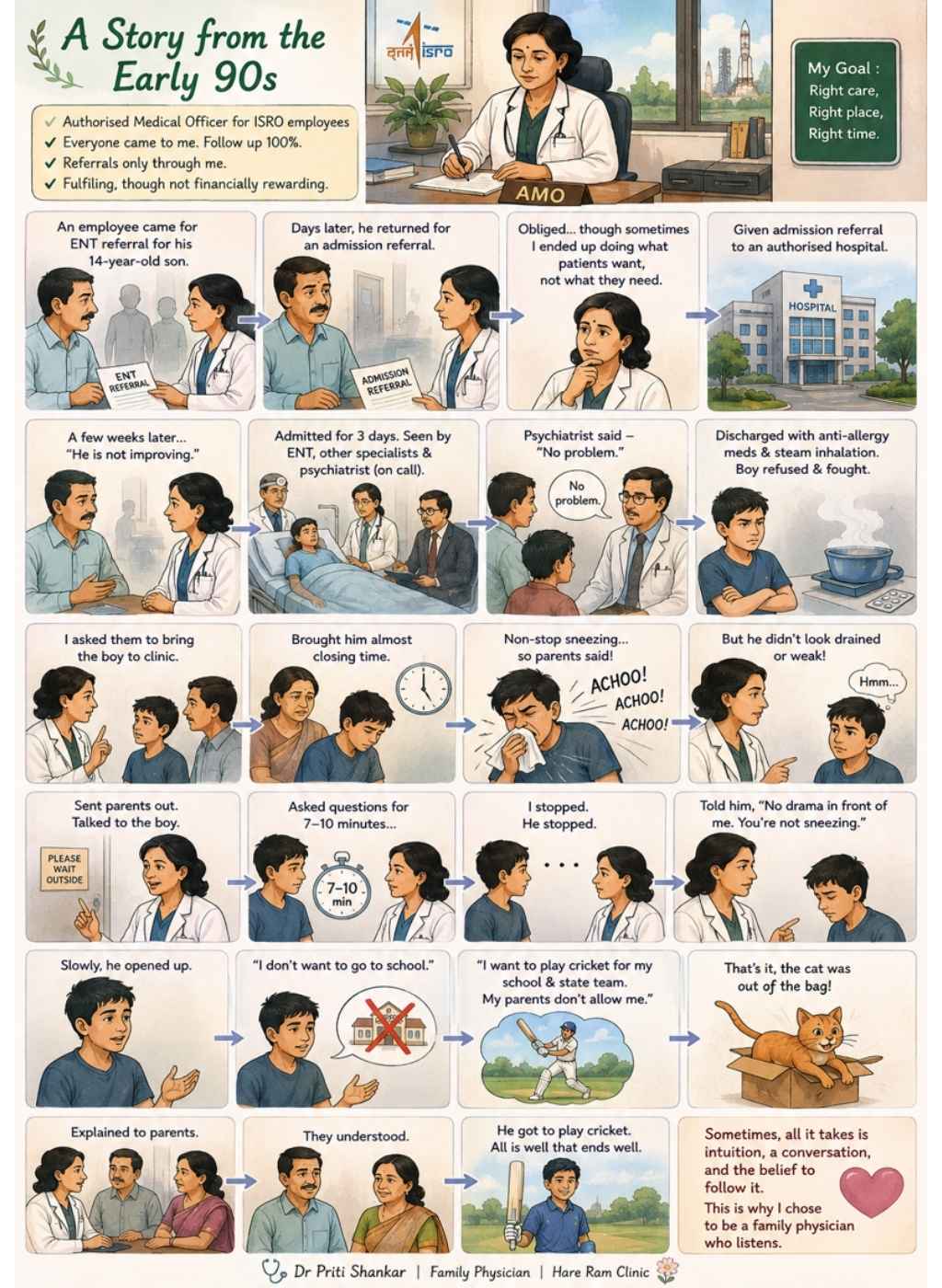
Sometimes all it takes is an intuition and the belief to follow, I don't regret being who I am today ( family physician who talks a lot to patients!)
Dr.Priti Shankar- Family physician, Hare Ram clinic
THE ACT OF DENIAL

DR.ARCHANA PRIYA
MBBS, DNB FAMILY MEDICINE
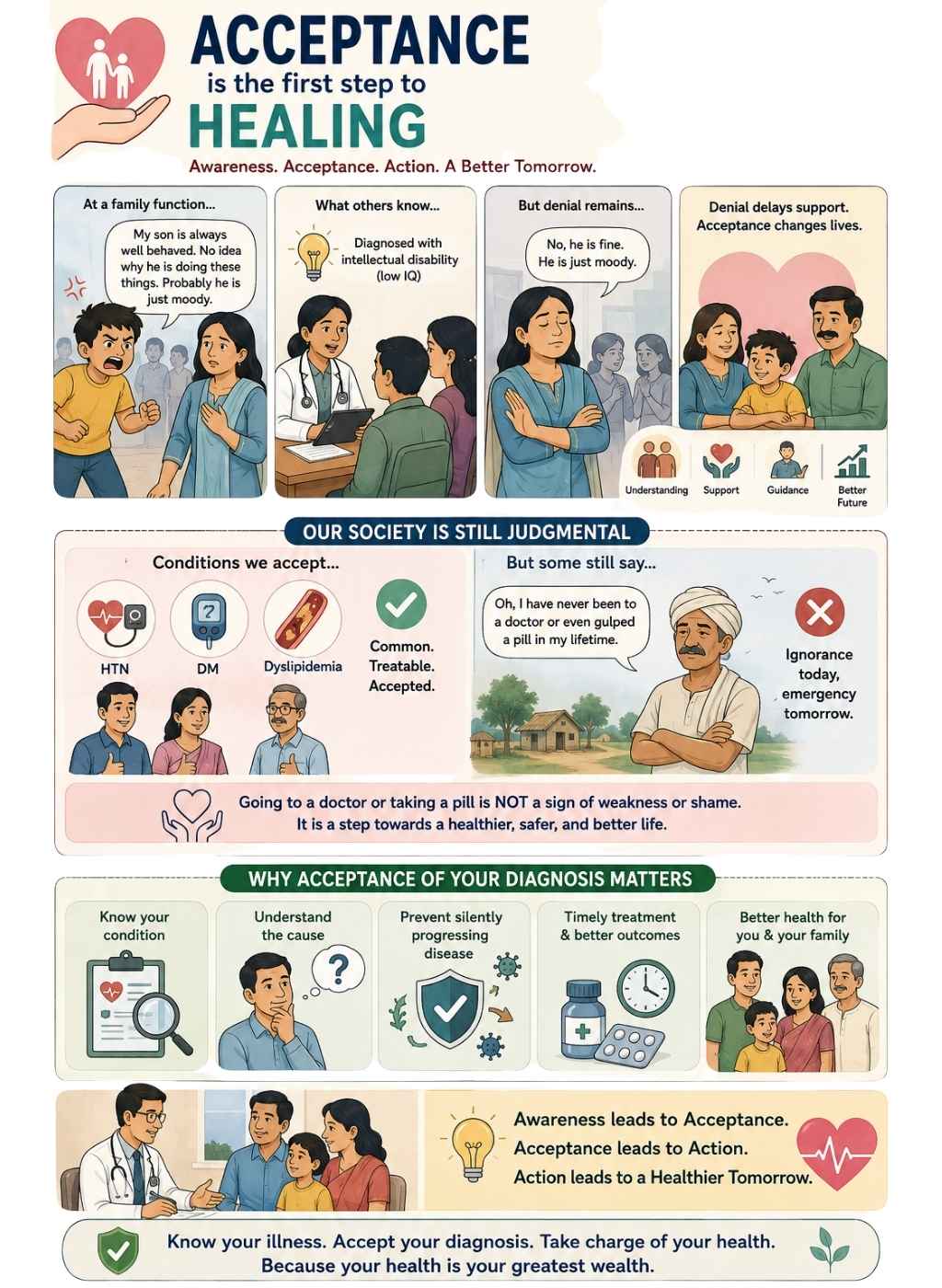
"My son is always well behaved. No idea why he is doing these things. Probably he is just moody."
This is one of my friends, who echoed these words at a public family function when her son displayed aggressive behaviour, raised his voice, and screamed unnecessarily.
She has doctor friends who knew that he was born with a low IQ and had been diagnosed with intellectual disability (previously termed mental retardation). But his mother always remained in denial.
Our society is very judgmental. If we say we have been diagnosed with hypertension, Diabetes mellitus, or Dyslipidemia, we are generally looked upon as having conditions that are common, treatable, or at least accepted. But if you go further into the lower socioeconomic strata or rural villages, you still hear people proudly say,
"Oh, I have never been to a doctor or even gulped a pill in my lifetime."
This is where we all fail.
Going to a doctor or taking a pill should not be viewed as something shameful or as a sign of weakness.
A yearly health check-up, within the family and society, and knowing that you have Hypertension, Diabetes, Dyslipidemia, or any other medical condition will not only help you in keeping yourself and your family healthy, but awareness about your condition can also prevent it from silently progressing and eventually leading to emergencies.
The acceptance of your diagnosis always helps in the progress of your treatment. Knowing your illness can motivate you and inspire you to understand the cause, help in its prevention, enable timely treatment, and ultimately improve your overall well-being.
⚖️ MEDICO-LEGAL VIGILANCE
Legal Issues in Outpatient Practice: Essential Safeguards for Every Clinician
1. Maintain Accurate and Complete Documentation
Good documentation is one of the strongest safeguards against medico-legal disputes. Every consultation should clearly record the patient's presenting complaints, relevant history, examination findings, diagnosis, investigations advised, treatment plan, follow-up instructions, and any counselling provided. If a patient declines investigations, referrals, or treatment, document the discussion and refusal carefully. Every entry should be dated, timed, and signed. Avoid ambiguous abbreviations and never alter or backdate medical records, as any modification may undermine their legal validity.
2. Obtain Valid Informed Consent
Consent is a fundamental legal and ethical requirement. While routine examinations generally involve implied consent, invasive procedures, minor surgeries, and interventions require informed written consent. Patients should receive clear explanations regarding the nature of the procedure, expected benefits, potential risks, alternatives, and possible complications. Documentation of these discussions provides valuable protection for both the patient and the clinician.
3. Prescribe Responsibly
Prescriptions are legal documents and should be written clearly and legibly. Mention the generic name whenever appropriate, along with the exact dose, frequency, duration, and route of administration. Exercise additional caution while prescribing controlled medications and ensure that every prescription is supported by sound clinical judgment and accepted treatment guidelines.
4. Be Prepared for Emergencies
Outpatient clinics may unexpectedly encounter medical emergencies. Every clinician should be competent in basic life support, initiate immediate stabilization, arrange timely referral when required, and document all emergency interventions. Prompt and appropriate action demonstrates adherence to the accepted standard of care.
5. Communicate Professionally and Manage Conflict
Clear communication builds trust and reduces misunderstandings. During difficult situations, remain calm, listen empathetically, explain the clinical situation honestly, and maintain professional boundaries. Clinics should also have protocols to address workplace violence and ensure staff safety.
6. Protect Yourself with Professional Indemnity Insurance
Professional indemnity insurance offers financial protection against medicolegal claims by covering legal expenses and eligible compensation. Review your policy regularly to ensure adequate coverage for your current scope of practice.
Preventing medico-legal problems begins long before a complaint is filed. Consistent documentation, informed consent, safe prescribing, emergency preparedness, effective communication, and appropriate indemnity coverage together create a strong foundation for safe, ethical, and legally sound outpatient practice.
🧩 THE DETECTIVE HAT – WHAT WOULD YOU DO NEXT?
CASE 1 -- The Persistent Fever
A 30-year-old presents with fever for 4 days, mild headache, platelet count 1.3 lakh/µL, mildly low WBC count, stable vital signs, no localizing symptoms, and is tolerating oral fluids well.
What is the best next step?
A. Start empirical antibiotics
B. Start antiviral therapy
C. Observe, repeat CBC in 24--48 hours, provide warning signs and supportive care
D. Admit immediately
CASE 2 -- The Silent Hypertension
A 52-year-old man visits for a routine check-up. His blood pressure is 168/102 mmHg on two readings taken 10 minutes apart. He has no symptoms, fundus is normal, ECG is unremarkable, and there are no signs of acute target-organ damage.
What is the best next step?
A. Send him immediately to the emergency department
B. Confirm hypertension, initiate antihypertensive therapy, evaluate cardiovascular risk, and arrange close follow-up
C. Reassure him and repeat BP after 6 months
D. Start intravenous antihypertensive medication
CASE 3 -- The Persistent Cough
A 45-year-old non-smoker has a dry cough for 5 weeks following an upper respiratory infection. She is afebrile, chest examination is normal, oxygen saturation is 99%, and chest X-ray is normal. She is otherwise well.
What is the best next step?
A. Start broad-spectrum antibiotics
B. Order a CT scan of the chest immediately
C. Consider post-infectious cough, review common causes, offer symptomatic treatment, and reassess if symptoms persist or red flags develop
D. Begin empirical anti-tubercular therapy
(Answers: C, B, C – as per the original document)
X RAY - WHAT IS YOUR DIAGNOSIS ?
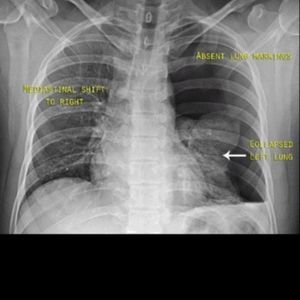
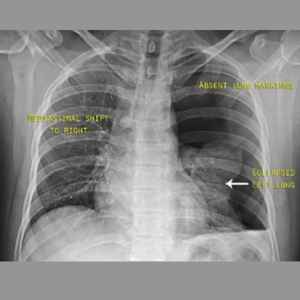
1. A 23-year-old tall, thin man develops sudden left-sided chest pain and breathlessness while playing badminton. He has no history of trauma or fever. Examination reveals reduced air entry on the left side with hyper-resonance.
What is the most likely diagnosis?
A. Left pneumothorax
B. Left lower lobe pneumonia
C. Massive pleural effusion
D. Acute asthma exacerbation
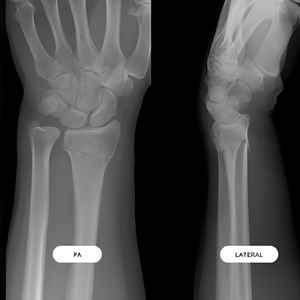
2. A 68-year-old woman slips at home and falls on her outstretched hand. She presents with pain, swelling, and deformity of the wrist. Distal pulses and sensation are intact.
What does the X-ray show?
A. Scaphoid fracture
B. Colles' fracture (distal radius fracture)
C. Smith's fracture
D. Wrist dislocation
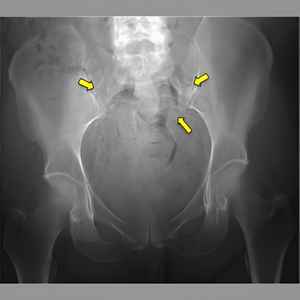
3. A 28-year-old man presents with low back pain for the past 2 years. The pain is worse in the early morning, is associated with morning stiffness lasting about an hour, and improves with exercise but not with rest. He occasionally wakes up during the second half of the night because of back pain. No history of trauma.
On examination: Reduced lumbar spine flexion, Decreased chest expansion, Sacroiliac joint tenderness, Neurological examination is normal.
Study the X-ray. What is the most likely diagnosis?
A. Mechanical low back pain
B. Ankylosing spondylitis
C. Lumbar spondylosis
D. Pott's spine
Contact the editor for any queries or suggestion @doctoraminaa@gmail.com